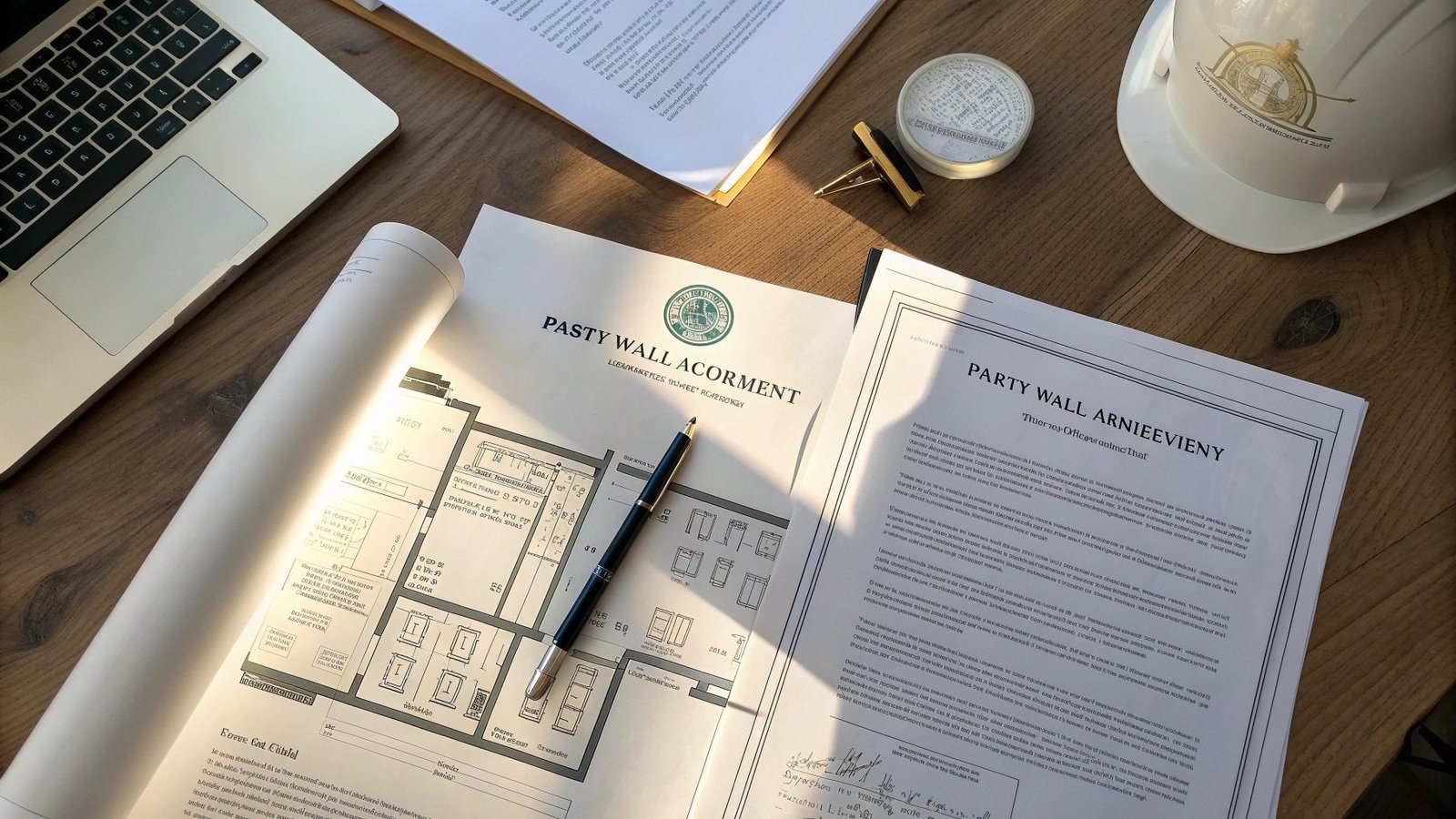
The Party Wall Act 1996 is essential legislation that every property owner in England and Wales should understand before carrying out building work. Whether you're planning a loft conversion, basement excavation, or building an extension, this Act protects both building owners and adjoining owners during construction projects affecting party walls and neighbouring property.
In this comprehensive guide, our experienced party wall surveyors explain everything you need to know about the Party Wall Act, from understanding what constitutes a party wall to navigating the party wall procedure with confidence.
What is the Party Wall Act 1996?
The Party Wall etc. Act 1996 (commonly known as the Party Wall Act) is legislation that came into force on July 1, 1997, across England and Wales. It provides a framework for preventing and resolving disputes in relation to party walls, party structures, boundary walls, and excavation work near neighbouring buildings.
The Act recognizes that building owners have the right to carry out works to their property, but this must be balanced with protecting adjoining owners from potential damage or disruption. Party Wall Specialist London helps property owners navigate these requirements daily throughout the London area.
Why Was the Party Wall Act Created?
Before the Act 1996 was introduced, party wall legislation only existed in London through the London Building Acts. When property developers and home owners wanted to undertake construction work affecting party walls outside London, there was no clear legal framework.
The Party Wall Act was created to extend these protections nationwide throughout England and Wales, providing a standardized party wall procedure that:
- Prevents and resolves party wall disputes before they escalate
- Protects adjoining property owners from damage
- Allows building owners to carry out necessary proposed works
- Establishes clear notice periods and requirements
- Defines the role of party wall surveyors
- Provides a dispute resolution mechanism
Understanding Party Walls and Party Structures
Before we delve into the party wall procedure, it's crucial to understand what actually constitutes a party wall. Our party wall specialists regularly clarify these definitions for clients across North London and beyond.
What is a Party Wall?
Under the Party Wall Act, a "party wall" can be:
- A wall that stands on the land of two (or more) owners and forms part of a building - this is the most common type, typically the shared wall between terraced or semi-detached houses
- A wall that stands on the land of two owners but does not form part of a building, such as a garden boundary wall (though only the part up to the boundary line counts as the party wall)
- A wall that separates buildings belonging to different owners, such as the wall between a house and garage
Most commonly in London residential properties, party walls are the shared walls between terraced houses, semi-detached properties, or flats. These walls are simultaneously owned by both (or all) property owners whose buildings they separate.
What are Party Structures?
Party structures include:
- Party walls as defined above
- Party fence walls - walls that straddle the boundary line
- Floors and other structures separating buildings or parts of buildings with different owners (such as flats)
- Shared foundations between buildings of two owners
- Chimney stacks serving multiple properties
Understanding these definitions is essential because the type of work you're planning and which structure it affects determines what type of party wall notice you need to serve.
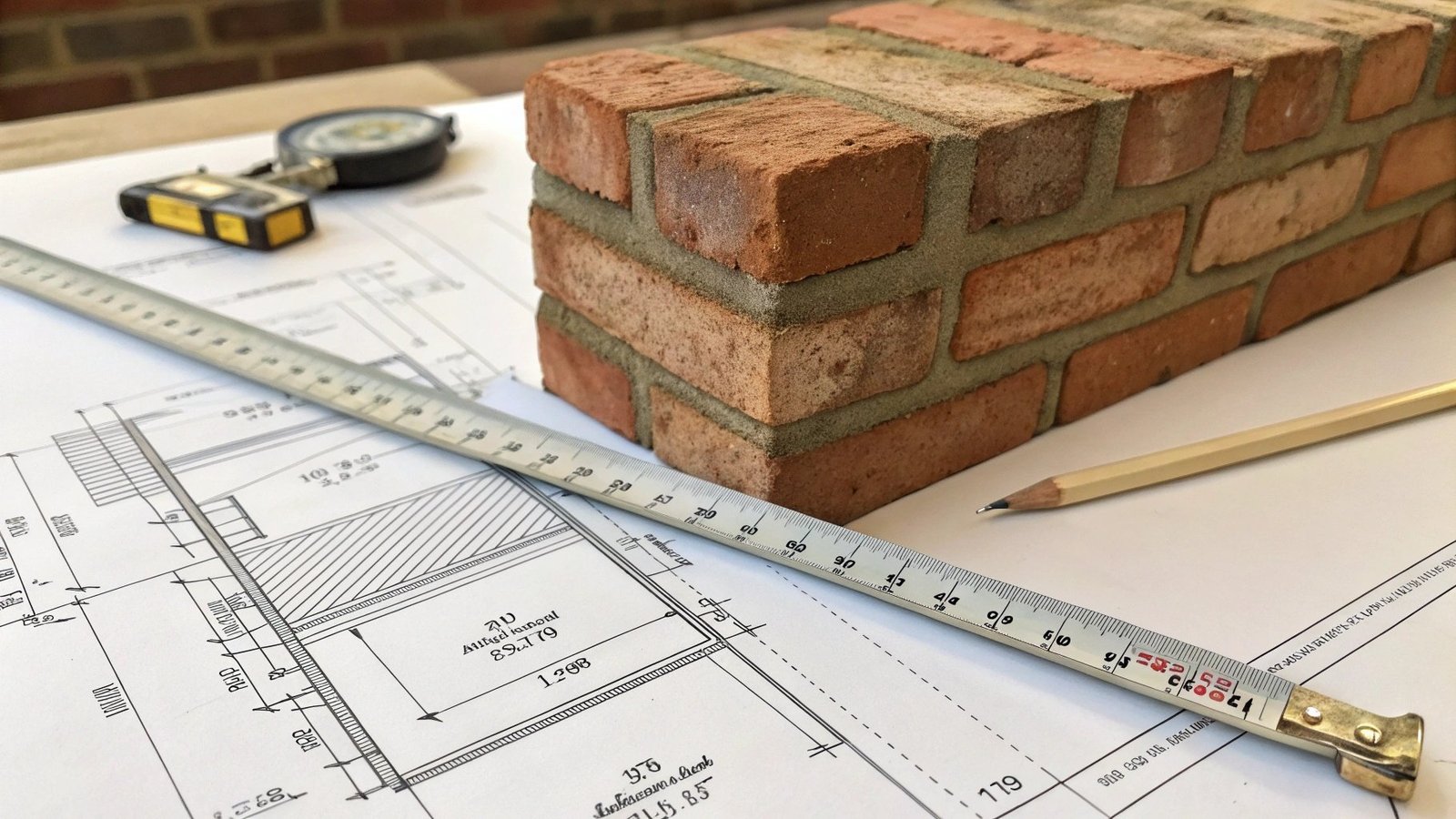
Types of Works Covered by the Party Wall Act
The Party Wall Act 1996 covers three main categories of notifiable works. Our London-based party wall surveyors frequently help clients determine which category their proposed construction work falls under.
1. Works Directly to an Existing Party Wall (Section 2 Works)
These are works carried out directly to an existing party wall or party structure, including:
- Cutting into a party wall to take the bearing of a beam for a loft conversion
- Cutting away projections from a party wall
- Inserting a damp proof course into a party wall
- Raising a party wall or rebuilding it
- Demolishing and rebuilding a party wall
- Underpinning a party wall
- Exposing a party wall previously enclosed
- Cutting away or demolishing parts of a party wall
- Reducing the height of a party wall
For Section 2 works, you must serve a party wall notice to all adjoining owners at least two months before you intend to start the construction work. This notice period allows time for neighbours to respond and for appointed surveyors to prepare a party wall award if necessary.
2. Building a New Wall on the Boundary (Section 1 Works)
Section 1 of the Act covers building a new wall astride the boundary line between properties (a party fence wall) or building entirely on your own land but at or adjacent to the boundary. This includes:
- Building a new party fence wall directly on the boundary
- Building a new wall entirely on your land but up against the boundary line
- Building a new wall as part of an extension close to a neighbouring property
For Section 1 works, the notice period is at least one month before starting work. Additionally, if you want to build a party fence wall on the boundary line, your neighbour has the right to request that the wall be built on your land instead, with the boundary line running along one face of the wall.
3. Excavation Near Neighbouring Buildings (Section 6 Works)
Section 6 of the Party Wall Act applies when you're planning excavation work within a certain distance of a neighbouring property's foundation. This commonly affects:
- Basement excavations and conversions
- New foundations for extensions
- Digging trenches for utilities
- Underpinning works
You must serve notice if you're planning to excavate:
- Within 3 meters of a neighbouring building where your excavation will go deeper than their foundations, OR
- Within 6 meters of a neighbouring building where your excavation will cut a line drawn downward at 45 degrees from the bottom of their foundations
The notice period for excavation work is at least one month before commencing. These provisions are particularly important in London where many properties have basements or where basement conversions are popular.
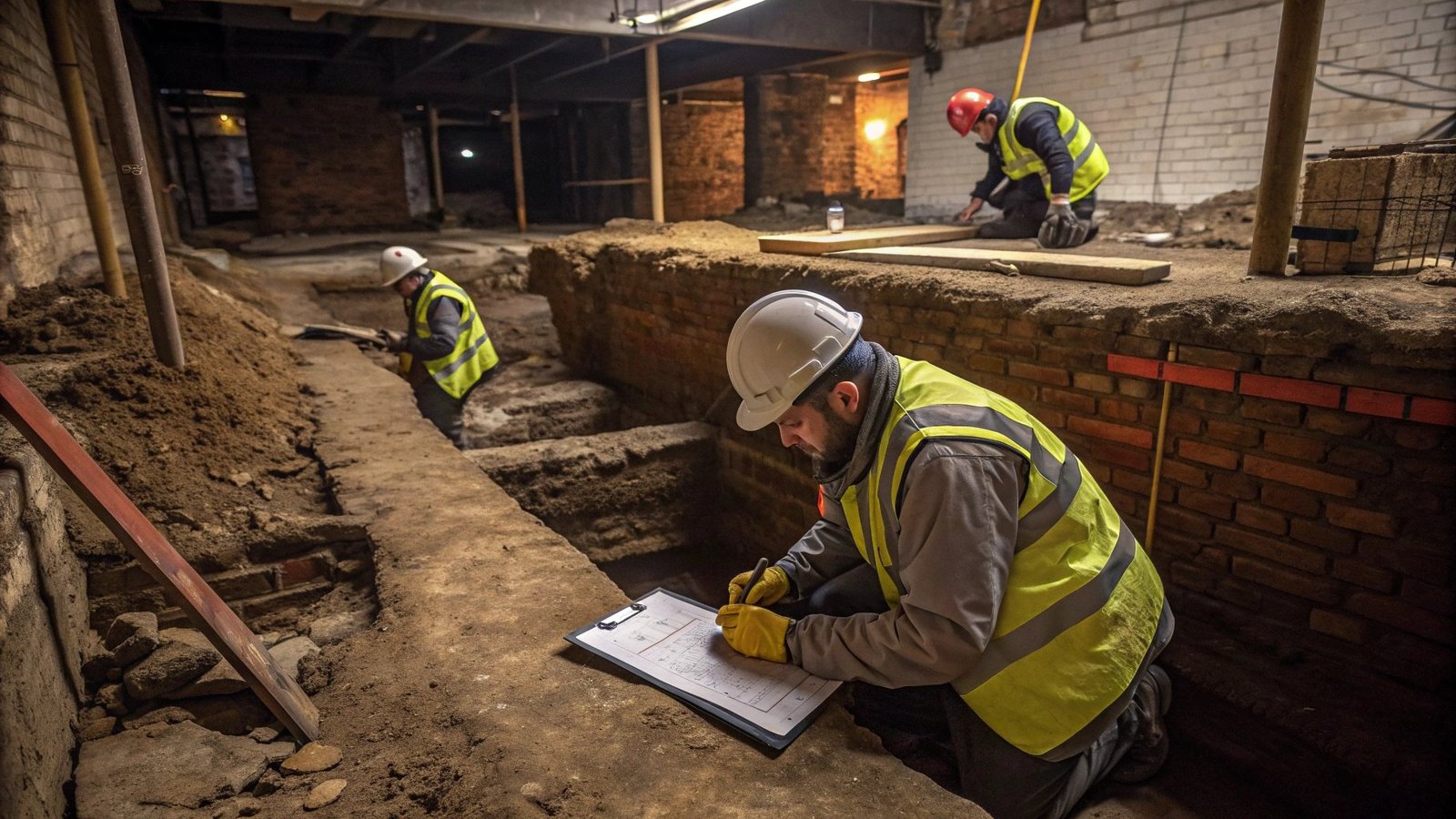
The Party Wall Procedure: Step-by-Step
Understanding the party wall process is crucial for building owners planning construction work. Our team of experienced party wall surveyors guides clients through each stage of this procedure across London and beyond.
Step 1: Determine If the Act Applies
Before starting any proposed works, assess whether your project falls under the Party Wall Act. Ask yourself:
- Will I be working on or near a party wall or party structure?
- Am I building a new wall on or near the boundary?
- Will I be excavating within 3 or 6 meters of my neighbour's foundation?
If you're unsure, contact party wall specialists for free party wall advice. It's better to check than to proceed without proper notices and face potential legal issues later.
Step 2: Prepare and Serve Party Wall Notices
Once you've determined that the Act applies, you (the building owner) must serve the appropriate party wall notice to all adjoining owners. The notice must:
- Describe the proposed works clearly
- Indicate the date you intend to start work
- Comply with the notice periods (1 or 2 months depending on the work type)
- Be served on all adjoining owners who might be affected
Many building owners choose to appoint a party wall surveyor to prepare and serve notices on their behalf. This ensures compliance with all legal requirements and professional presentation to neighbours.
Step 3: Await Your Neighbour's Response
After receiving a party wall notice, your neighbour (the adjoining owner) has 14 days to respond. They can:
- Consent to the works - If they agree, you can proceed once the notice period expires, though it's still wise to have a schedule of condition prepared
- Dissent (disagree or not respond) - If they dissent or fail to respond within 14 days, a "dispute" automatically arises under the Act
It's important to note that "dissent" doesn't necessarily mean your neighbour opposes the works - they may simply want a party wall surveyor involved to protect their interests. This is a perfectly legitimate and common response.
Step 4: Appoint Party Wall Surveyors
When dissent occurs, both parties need surveyor representation. There are two options:
- Agreed Surveyor: Both the building owner and adjoining owner agree to appoint the same surveyor to act impartially for both parties
- Two Separate Surveyors: Each party appoints their own surveyor (the building owner's surveyor and the adjoining owner's surveyor), who then work together to resolve matters
Most party wall matters in London are handled by an agreed surveyor, as this is typically more cost-effective and efficient. However, for complex projects or where there are concerns, separate surveyors may be preferable.

Step 5: Schedule of Condition
Before construction work begins, the appointed surveyor(s) will prepare a schedule of condition for the adjoining property. This detailed record documents:
- The current state of the neighbouring property
- Photographs of all rooms, external walls, and the party wall
- Descriptions of existing cracks, defects, or damage
- The condition of party structures
This schedule is crucial evidence if any party wall disputes arise later about damage caused by your construction project. It protects both building owners and adjoining owners by providing a clear baseline.
Step 6: Party Wall Award Preparation
The surveyor(s) will then prepare a party wall award - a legal document that sets out:
- Detailed description of the proposed works
- How and when the work will be carried out
- Rights of access to the adjoining property for inspections
- Working hours and methods to minimize disruption
- Provisions for remedying any damage that occurs
- Responsibility for surveyor fees and costs
The party wall award is binding on both parties and provides a clear framework for the construction work to proceed while protecting everyone's interests.
Step 7: Commence Works and Monitor
Once the party wall award is issued and the notice period has expired, you can begin your construction project. The appointed surveyor may conduct periodic inspections to ensure:
- Work is being carried out as described in the award
- The neighbouring property remains undamaged
- All conditions of the award are being met
Step 8: Final Inspection
After completing the works, a final inspection compares the adjoining property's condition with the original schedule of condition. If any damage occurred during construction work, the party wall award will set out how it should be remedied.
Common Party Wall Scenarios in London
Our London party wall surveyors encounter various scenarios regularly. Here are the most common party wall matters we handle:
Loft Conversions
Loft conversions almost always require party wall notices because they typically involve cutting into party walls to install steel beams, raising party walls to create headroom, or working on shared roof structures in terraced properties.
Rear and Side Extensions
Building extensions often involves building new walls near boundaries or excavating near neighbouring property foundations, triggering the need for party wall notices under Sections 1 and/or 6 of the Act.
Basement Excavations
Creating or extending basements nearly always requires Section 6 notices as excavation work invariably comes within the 3 or 6-meter zones relative to neighbouring foundations. This is especially common in Central and North London where basement conversions add valuable living space.
Internal Alterations Affecting Party Walls
Even internal work like installing RSJ beams that require cutting into a party wall necessitates proper party wall notices and procedures.
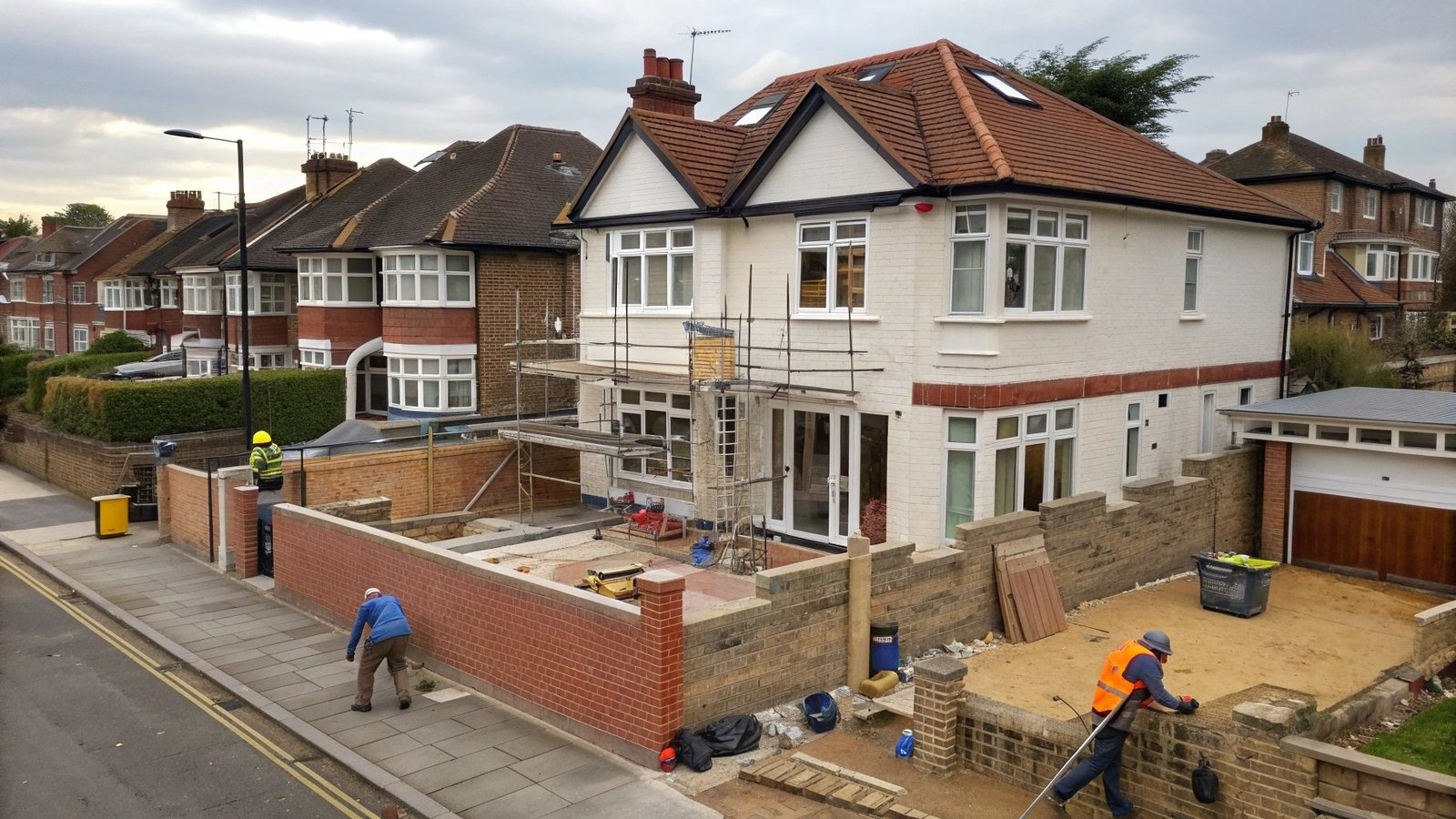
Rights and Obligations Under the Act
Building Owner's Rights and Obligations
As a building owner, you have the right to:
- Carry out necessary works to your property
- Enter the adjoining property (with notice) to carry out works or inspections
- Appoint your own surveyor
However, you must:
- Serve proper party wall notices with adequate notice periods
- Minimize inconvenience to adjoining owners
- Make good any damage caused by your works
- Usually pay all party wall surveying services costs (for both your surveyor and the adjoining owner's surveyor if separate ones are appointed)
- Compensate adjoining owners for any losses they suffer
Adjoining Owner's Rights and Obligations
As an adjoining owner, you have the right to:
- Receive proper notice of proposed works
- Appoint a surveyor to protect your interests (at the building owner's expense)
- Have a schedule of condition prepared
- Have any damage made good
- Receive compensation for losses
You must:
- Allow reasonable access for works and inspections
- Respond to notices within 14 days
- Act reasonably and not unnecessarily obstruct legitimate works
Party Wall Costs: Who Pays What?
Understanding party wall costs is important for budgeting your construction project. Generally:
- Party Wall Surveyor Fees: The building owner typically pays for all surveyor costs, including both their own surveyor and the adjoining owner's surveyor if separate ones are appointed
- Schedule of Condition: Paid by the building owner
- Party Wall Award Preparation: Paid by the building owner
- Damage Repairs: The building owner must make good any damage caused by their works
- Compensation: If the adjoining owner suffers losses (like temporary accommodation costs if works make their home uninhabitable), the building owner may need to pay compensation
In London, typical party wall surveyor costs range from:
- Simple notices only: £500-£800
- Standard loft conversion or extension: £1,500-£2,500
- Complex projects with multiple adjoining owners: £3,000-£5,000+
For transparent cost estimates, contact Party Wall Specialist London for a free no obligation quote.
What Happens if You Don't Follow the Party Wall Act?
Ignoring the Party Wall Act can have serious consequences:
- Legal injunctions: Adjoining owners can seek court injunctions to stop your works
- Financial losses: You may face expensive delays while party wall procedures are retrospectively completed
- Damage claims: Without a schedule of condition, it's harder to defend against damage claims
- Relationship breakdown: Proceeding without proper notices often leads to neighbor disputes that could have been avoided
- Insurance issues: Your building insurance may not cover damage claims if you haven't followed proper party wall procedures
Our party wall experts strongly advise following the proper party wall procedure from the outset. It's far more cost-effective than trying to resolve issues after they arise.
Frequently Asked Questions About the Party Wall Act
Do I definitely need a party wall surveyor?
You're not legally required to use a party wall surveyor, but it's highly recommended. Surveyors specialising in party wall matters ensure proper compliance with the Act 1996, prepare professional documentation, and help prevent disputes. Many building owners find the peace of mind worth the investment.
Can my neighbour stop my building work?
Not really. The Party Wall Act gives you the right to carry out necessary works to your property. However, your neighbour can insist on proper party wall procedures being followed, which includes having surveyors appointed to protect their interests. They cannot unreasonably prevent legitimate construction work.
What if my neighbour refuses to respond to my party wall notice?
If your neighbour doesn't respond within 14 days, it's treated as dissent under the Act. This triggers the need to appoint surveyors. While frustrating, the Act provides a clear procedure to move forward even without your neighbour's active cooperation.
How long does the party wall process take?
From serving notice to being ready to start work typically takes 2-3 months, including:
- Notice period: 1-2 months depending on work type
- 14 days for adjoining owner to respond
- 2-4 weeks for surveyor appointment, schedule of condition, and award preparation
Complex projects or multiple adjoining owners may take longer. Our experienced party wall surveyors work efficiently to minimize delays.
Does the Party Wall Act apply in Scotland or Northern Ireland?
No, the Party Wall etc. Act 1996 only applies in England and Wales. Scotland and Northern Ireland have different legal frameworks for dealing with party wall issues.

Conclusion: Navigate the Party Wall Act with Expert Support
The Party Wall Act 1996 provides an essential framework for carrying out construction work affecting shared walls and neighbouring property. While the party wall procedure may seem complex, it's designed to protect both building owners and adjoining owners, ensuring construction projects can proceed fairly and with minimal conflict.
Whether you're planning a loft conversion in North London, a basement excavation in Central London, or any construction work affecting party walls, following the proper party wall procedure is crucial. Professional party wall surveyors guide you through each step, prepare all necessary documentation, and help maintain good neighbour relations throughout your construction project.
Need expert party wall advice? Party Wall Specialist London's team of experienced RICS chartered surveyors provides comprehensive party wall surveying services throughout London and England & Wales. Contact us today for free party wall advice and a transparent cost estimate for your project.
Related Articles
Get Free Party Wall Advice Today
Our RICS chartered surveyors are ready to help with all your party wall matters.
Contact Our Party Wall Experts